

- Construction & Infrastructure
The Influence of New Types of Projects on Japanese Construction Contracts
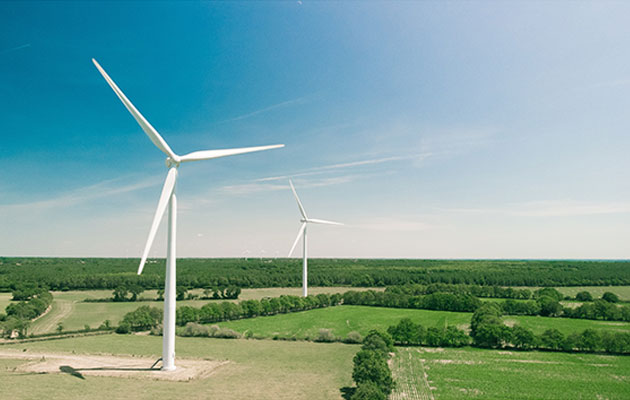
Traditionally, most infrastructure projects in Japan have been funded by corporate or public sources, and domestic standard form construction contracts generally were considered sufficient to manage construction risks. This trend changed significantly with the introduction of the Feed in Tariff (FIT) scheme for renewable energy in 2011, which led to the development of Independent Power Producer (IPP) projects that utilize non-recourse or limited-recourse financing. This increased reliance on project finance, in turn, has driven a rise in the use of turnkey EPC contracts. Given the historically limited number of turnkey EPC projects in Japan, an increasing number of these contracts are drafted with reference to international models, such as the FIDIC Silver Book and Yellow Book. Since the late 2010s...To read the full article, please see the PDF file
-
Construction / Infrastructure Newsletter
Download PDF [138 KB]
Authors
Satoshi has worked at N&A’s Singapore office since July 2022 and has provided Japanese clients with headquarters in Japan or Singapore and other clients with legal support on crisis management/compliance, dispute resolution, labor and general corporate matters for their businesses operations in Southeast Asian countries.
Satoshi has also engaged in international construction and infrastructure projects and has advised on construction contracts, laws and regulations, and disputes in connection with projects in Japan and overseas.

Tomomi MURATA
- Partner
- Singapore
Having been stationed at the Hanoi office from 2016 to 2017 and subsequently at the Singapore office since 2019, Tomomi brings a wealth of experience in international construction and infrastructure projects. Her portfolio spans a diverse range of cases, encompassing all areas from negotiation and drafting construction contracts to handling issues arising during project execution, addressing construction disputes, and conducting regulatory research related to construction in both domestic and international projects.
Leveraging her experience in Singapore and Vietnam, she collaborates with qualified lawyers in various jurisdictions, contributing to her extensive expertise in construction projects across the Southeast Asian region. In addition, she actively holds seminars and in-house training sessions on FIDIC, one of the leading standard forms of contract for international construction.
Beyond her focus on construction and infrastructure, she provides broad legal advice on issues related to new investments, joint ventures, and labor matters in Southeast Asian countries, with a particular emphasis on Singapore, Malaysia, Indonesia, and Vietnam.

Yurika MURABAYASHI
- Associate
- Singapore
Related Knowledge
-
-
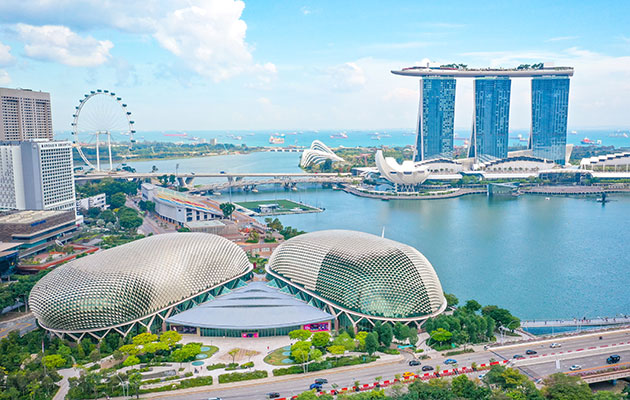
Exploring the Construction Industries of Singapore and the United Arab Emirates (UAE)
Articles
-

-
Japanese Amended Construction Business Act Fully in Effect and Updates to the Construction Business Compliance Guidelines
Construction & Infrastructure
-
-
Key Changes in the New Law on Construction (Vietnam)
Asia
Construction & Infrastructure
-

-
Drone Routes: Overview and Legal Insights into Service Contracts
Tokyo
External Seminars
-
-
N&A Legal Forum
[Registration Closed] Investing for Impact: Unlocking Project Finance in a Transforming Indonesia and Vietnam
Tokyo
Nishimura & Asahi Seminars
-
-
Responsibility for passenger security inspections
Aviation Business
Shintaro Uno is one of Japan’s leading experts on FIDIC and other construction-industry contracts. He specializes in international engineering and construction of infrastructure projects around the world, with a particular focus on Japan and Asia. He has extensive experience advising on a wide range of projects, including semiconductor plants, data centers, high-speed railways, highways, submarine cables, coal-mining process facilities, Mass Rapid Transit, high-rise buildings, lithium hydroxide plants, various types of power plants, tunnels, ports, dredging, offshore wind, and water treatment and supply facilities, with primary contracts based on the standard FIDIC contract forms (including Redbook, Yellowbook, Silverbook 1999 and 2017 editions), Minkanrengo Building contract, Nikkenren Design Build, and ENAA.
On the contentious side, Shintaro successfully represents both employers and contractors in proceedings before Dispute Adjudication Boards, international arbitral tribunals, and national courts. He has particular expertise in arbitration under the SIAC, ICC, BANI, and DIAC rules.
Shintaro has been recognized as a Leading Individual in the Construction: International category by Chambers Asia-Pacific for three consecutive years (2023–2025), reflecting his reputation and track record in the region.
Over the past 14 years, Shintaro has been based in Southeast Asia, where he has advised on numerous complex disputes and crisis scenarios. His regional experience is especially extensive in Indonesia, where he has handled more than 70 contentious matters—including litigation, internal investigations, local arbitrations, and criminal cases—demonstrating his capability to navigate sensitive legal issues in cross-border settings.